
Don't Let Winter Win: A Homeowner's Guide to Preventing Ice Dams and Roof Leaks
Winter in Ohio means cozy evenings, watching the snow fall, and maybe cheering on the Buckeyes. But for many homeowners, it also brings a nagging worry: the threat of water dripping from the ceiling. Those picturesque icicles hanging from your gutters might look beautiful, but they can be a sign of a serious problem known as an ice dam. These ridges of ice can cause significant water damage to your roof, attic, and walls. For homeowners across the Columbus area, understanding and preventing ice dams is key to protecting your biggest investment. This guide will walk you through what causes these winter menaces and, more importantly, how to stop them before they start.
What Exactly Is an Ice Dam?
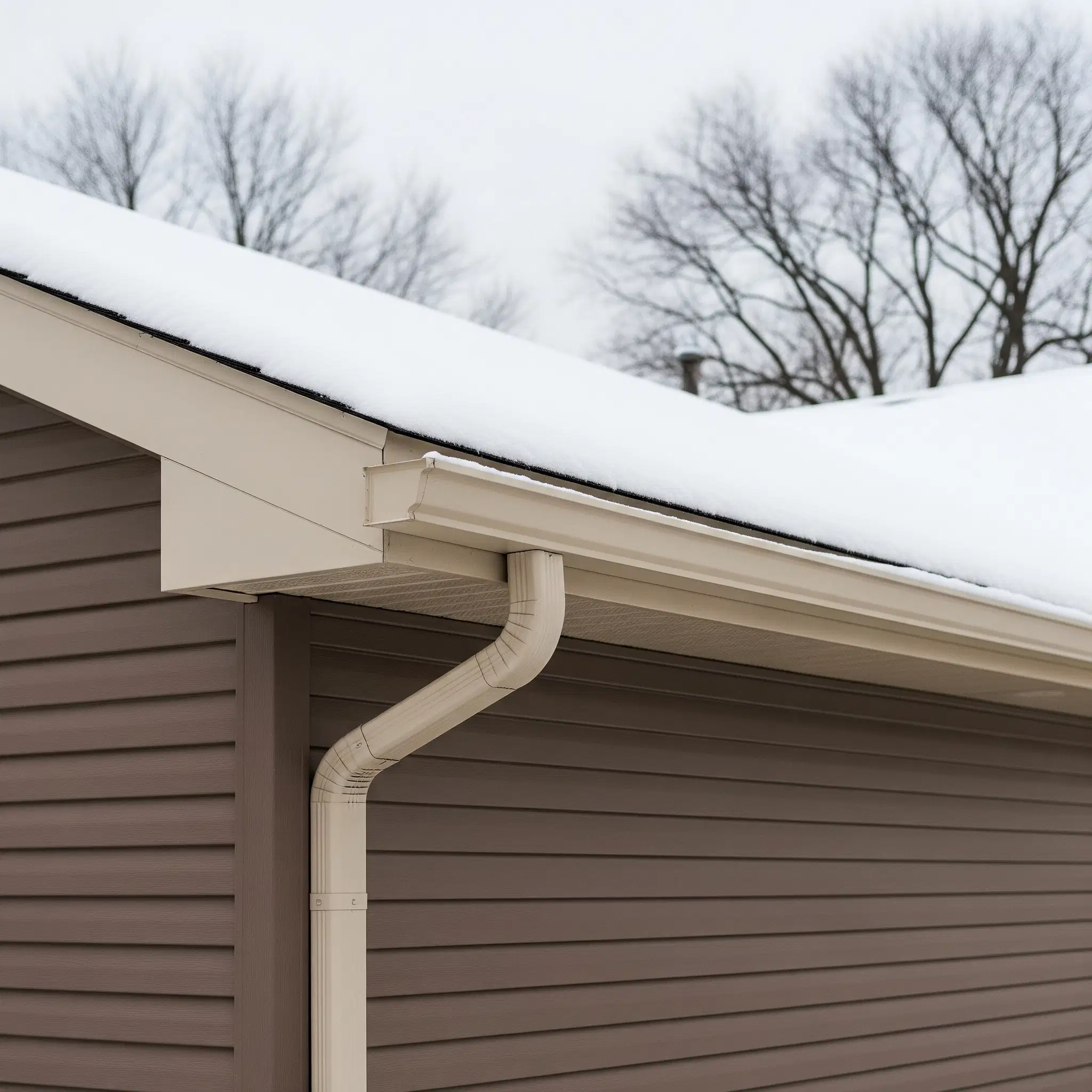
An ice dam is a ridge of ice that forms at the edge of a roof and prevents melting snow (water) from draining off. It’s a problem that happens when three conditions are met: snow on your roof, outside temperatures below freezing, and a roof surface temperature above 32°F.
Here’s the step-by-step process:
- Heat Escapes: Warm air from your home's living space leaks into the attic, heating the underside of the roof deck.
- Snow Melts: This warmth causes the snow on the upper parts of your roof to melt, even when the outside air is freezing.
- Water Refreezes: The meltwater runs down the roof until it reaches the cold eaves and gutters, which are not warmed by the attic heat. Here, the water refreezes, creating a small dam.
- Water Backs Up: As this cycle continues, the dam grows larger. The water pooling behind it has nowhere to go but up and under your shingles, where it can leak into your attic, insulation, and down into your home’s walls and ceilings. This addresses a major pain point for homeowners: unexpected, costly repairs due to water damage that could have been prevented.
The Real Culprit: A Warm Attic and Poor Ventilation
While the ice is the visible problem, the root cause is almost always inside your attic. A uniformly cold roof is a happy roof in winter. When your roof stays the same temperature as the outdoors, snow melts evenly and drains away properly. The issues that lead to a warm roof and subsequent ice dams are typically twofold:
- Inadequate Insulation: Your attic floor should act as a thermal barrier, keeping the warm, conditioned air from your living space where it belongs. If insulation is thin, compressed, or missing in spots, heat will rise and warm the roof above.
- Poor Attic Ventilation: A well-ventilated attic allows cold outdoor air to circulate, keeping the roof deck cool. A proper system, usually involving soffit vents (intake) and ridge vents (exhaust), creates a continuous flow of air. Without it, warm air gets trapped, creating the perfect conditions for snow to melt and refreeze at the eaves. Addressing this is crucial for long-term protection and is a core part of our attic venting services.
Proactive Steps for an Ice Dam-Free Winter
Preventing ice dams is far more effective and less costly than dealing with the damage they cause. As a homeowner, you can focus on the following key areas to safeguard your home.
-
Seal Air Leaks: Before adding insulation, it's vital to seal any air leaks between your living space and the attic. Common culprits include gaps around plumbing vents, electrical wiring, recessed lighting fixtures, and the attic access hatch. This simple step can dramatically reduce heat loss.
-
Boost Your Insulation: The U.S. Department of Energy recommends specific insulation levels for our climate zone. Ensuring your attic floor is uniformly covered to the proper depth is one of the best investments you can make in your home’s health and energy efficiency.
-
Verify Your Ventilation: A professional can assess if your attic has a balanced ventilation system. This isn't just about having vents; it's about having the right kind and right amount of intake and exhaust vents to ensure proper airflow. If your system is lacking, professional attic venting repairs or installation can solve the problem for good.
-
Keep Gutters Clean: While not a root cause, gutters clogged with leaves and debris can prevent meltwater from draining, giving it a place to freeze and start the damming process. A thorough cleaning in late fall is essential.
Your Partner in Winter Roof Protection
Dealing with Ohio's harsh winters requires a proactive approach to home maintenance. Ice dams are more than just a winter nuisance; they are a clear warning sign that your home is losing heat and is vulnerable to water damage. By focusing on the root causes—insulation and ventilation—you can protect your home, improve energy efficiency, and gain peace of mind.
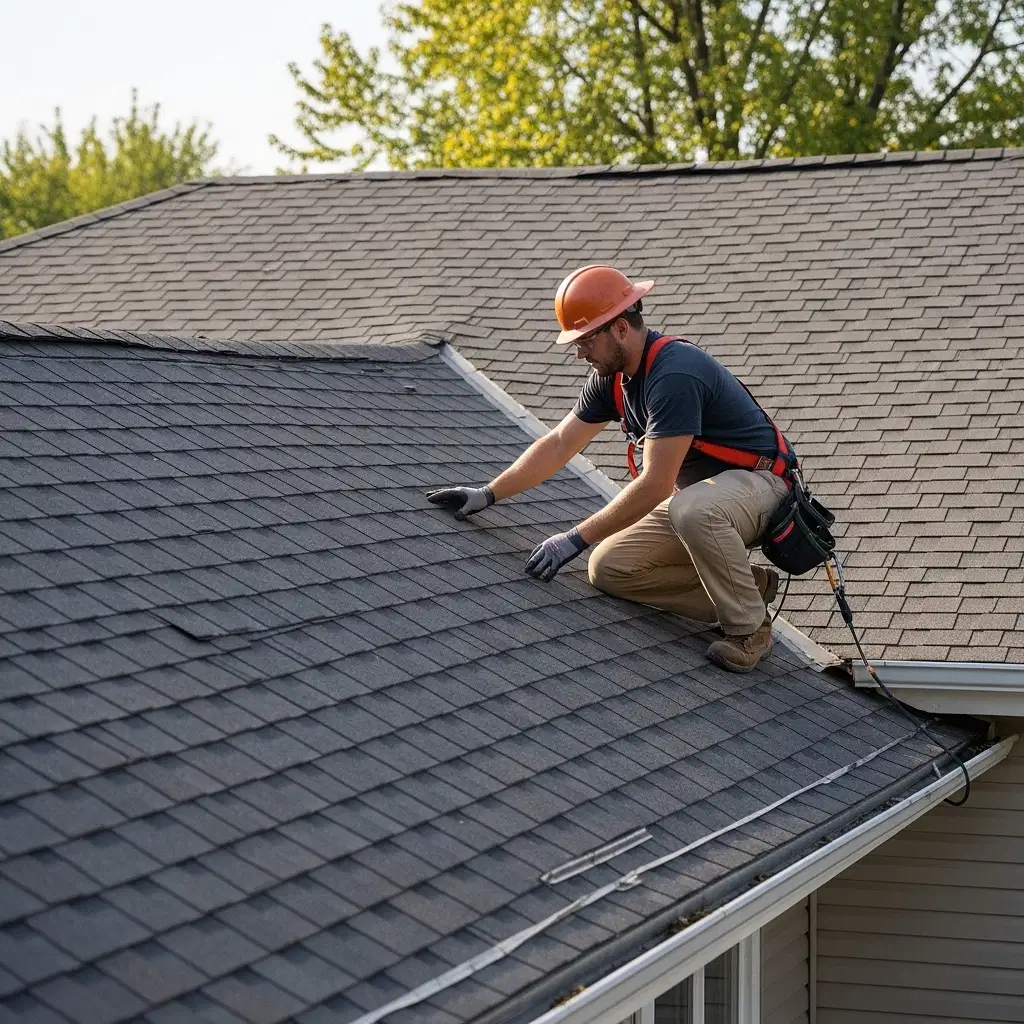
If you've experienced ice dams in the past or are concerned about your roof's performance this winter, don't wait for a leak to appear. The team at HomeGuard Roofing & Exteriors is here to help homeowners throughout the Columbus area. We can provide a thorough roof inspection and attic assessment to identify and correct the underlying issues. Contact us today to schedule your consultation and ensure your home is ready for whatever winter brings.