Your Commercial Roof's First Line of Defense: A Guide to TPO Maintenance and Repair
As a business owner or property manager in the Columbus area, you know that your commercial building is one of your most significant assets. And sitting on top of it all is the roof—a silent guardian protecting your inventory, equipment, and daily operations from the elements. Many local businesses rely on TPO (Thermoplastic Olefin) roofing for its durability, energy efficiency, and cost-effectiveness. But even the toughest roof isn't invincible. Proactive maintenance and timely repairs are essential to maximizing its lifespan and preventing minor issues from turning into major, business-disrupting disasters. This guide will walk you through the key signs of TPO roof trouble and explain how a strategic approach to maintenance can protect your investment for years to come.
Common TPO Roofing Problems in Ohio's Climate
Ohio's weather can be tough on any roof, and commercial flat roofs are no exception. The cycle of freezing winters, hot summers, and our notorious storm season can put significant stress on a TPO system. Understanding the common vulnerabilities is the first step toward effective maintenance.
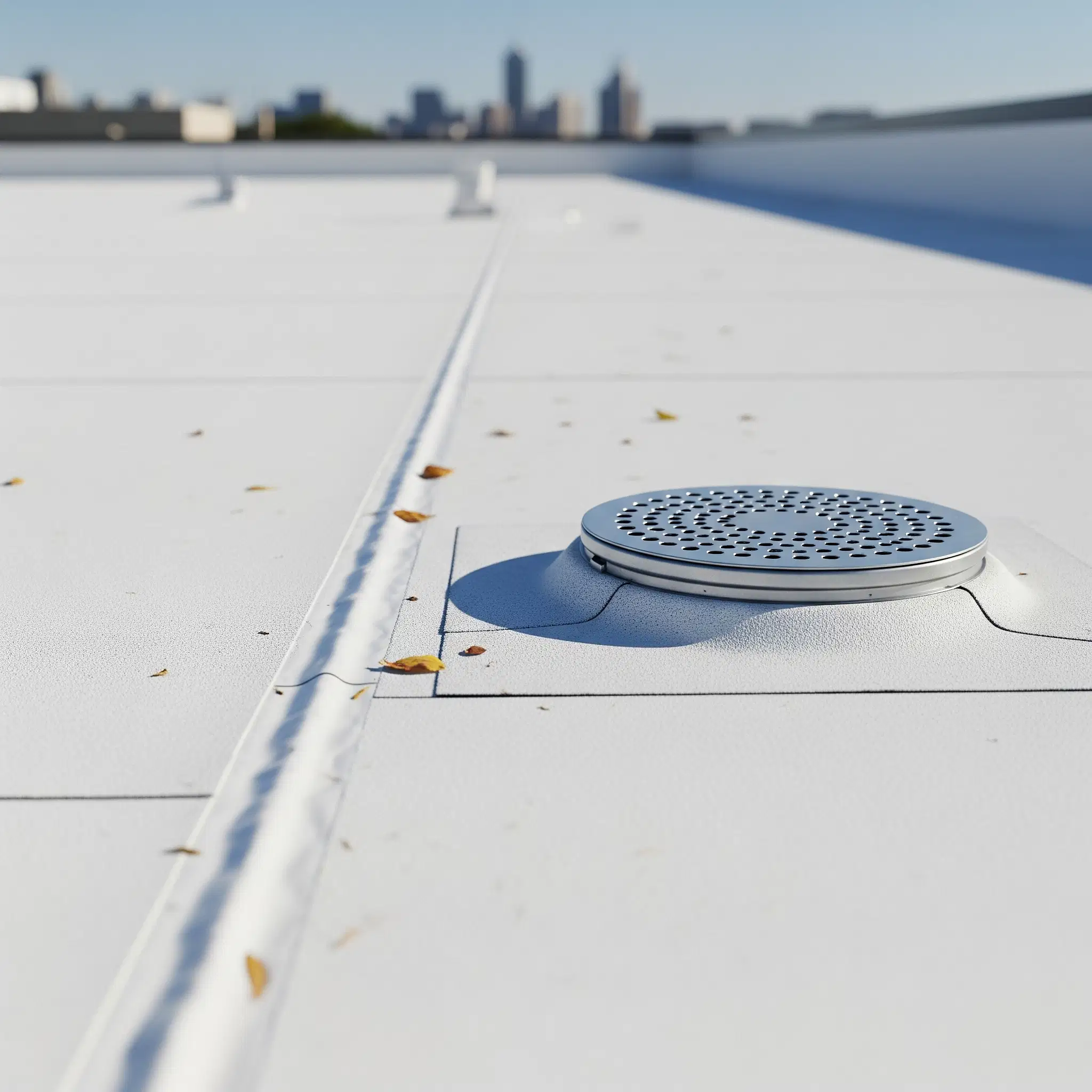
- Seam Failure: The seams, where large sheets of TPO material are welded together, are the most common point of failure. Over time, expansion and contraction from temperature swings can weaken these bonds, creating openings for water to seep in.
- Punctures and Tears: Foot traffic from HVAC maintenance, falling debris from trees, or wind-blown objects can easily puncture the TPO membrane. While small, these holes can lead to significant water damage to the insulation and roof deck below if left unaddressed.
- Ponding Water: A properly installed TPO roof should have adequate drainage to prevent water from accumulating. If you notice standing water on your roof 48 hours after it rains, it could be a sign of clogged drains or structural sagging. This excess weight stresses the roof structure and accelerates the deterioration of the TPO membrane.
- Flashing Damage: The flashing around rooftop penetrations like vents, skylights, and HVAC units is another critical area. If this material pulls away or cracks, it creates a direct path for water intrusion.
Catching these issues early is crucial. A small tear or a failing seam can often be handled with a simple roof repair, but if ignored, it can lead to widespread water damage, mold, and the need for a much more expensive roof replacement.
The Value of Proactive Maintenance and Inspections
Waiting for a leak to appear in your ceiling is a reactive strategy that almost always costs more in the long run. A proactive maintenance plan, centered around regular professional inspections, is the key to extending the lifespan of your TPO roofing system and ensuring peace of mind. Think of it as a small, predictable operational expense that prevents large, unexpected capital expenditures.
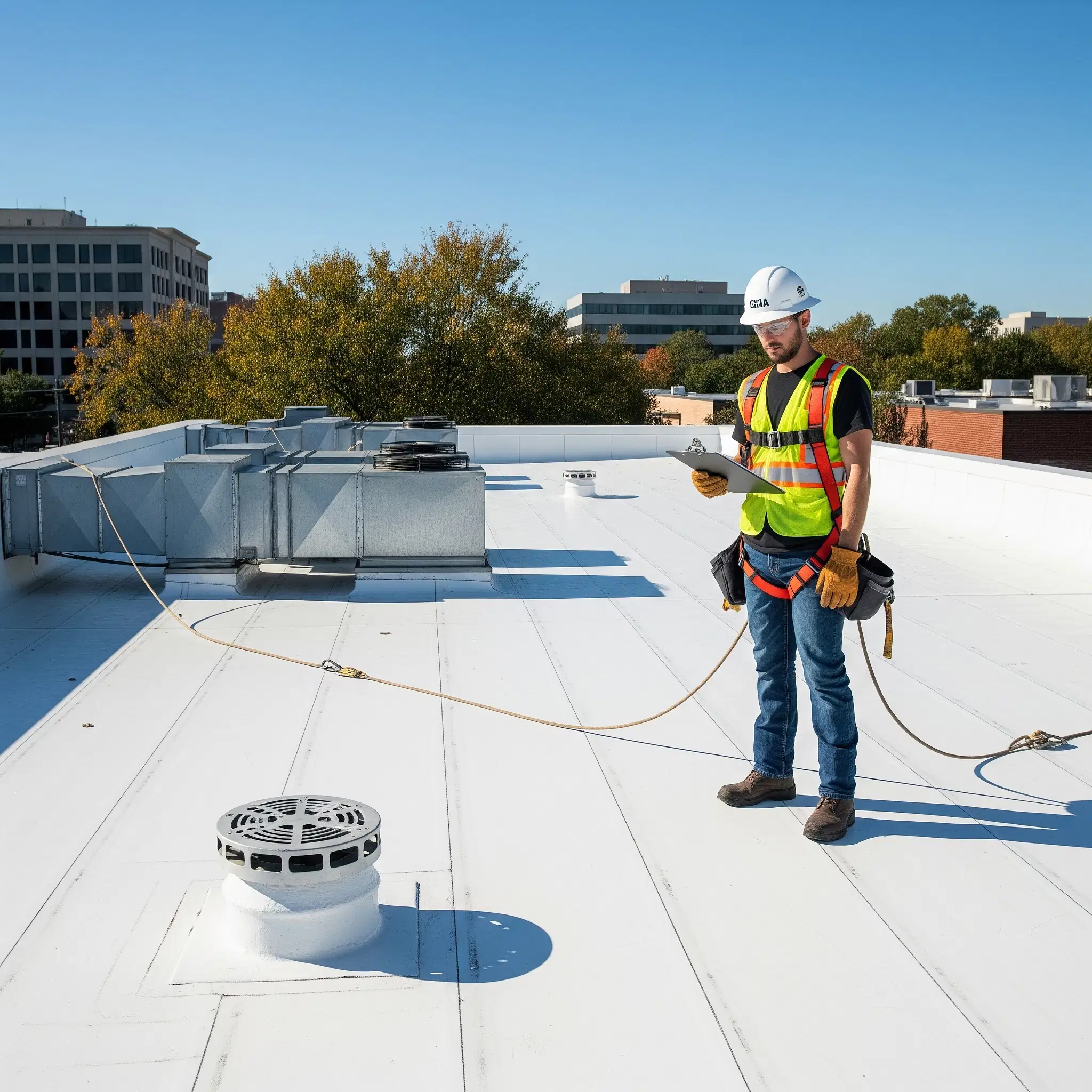
A comprehensive roof inspection does more than just look for obvious leaks. A trained professional will:
- Examine Seams and Flashing: Meticulously check all welded seams and the seals around rooftop equipment for any signs of separation or wear.
- Clear Debris and Drains: Remove leaves, branches, and other debris that can clog drains and lead to ponding water.
- Identify Membrane Damage: Look for punctures, blisters, or cracks in the TPO membrane that could compromise its integrity.
- Provide a Detailed Report: Offer a clear assessment of your roof's condition, complete with photos and recommendations for any necessary repairs.
By scheduling inspections twice a year—ideally in the spring and fall—you can address minor issues before they escalate, ensuring your building is prepared for summer storms and winter snow. This commitment to upkeep not only protects your property but also reinforces the long-term value and durability of your initial investment.
Repair vs. Replace: Making the Smart Financial Decision
At some point, every property manager faces the question: is it better to continue repairing the roof or is it time for a full replacement? The answer depends on several factors, and an honest assessment from a trusted roofing partner is essential.
Consider a repair if:
- The damage is localized to a small area (e.g., a single puncture or a short section of failed seam).
- The roof is less than 15-20 years old and has been well-maintained.
- The underlying insulation and roof deck are still in good condition.
It may be time for a replacement if:
- The roof has widespread damage, such as multiple leaks, extensive seam failure, or large blisters.
- The roof is nearing the end of its expected service life.
- Repairs are becoming frequent and costly, indicating systemic failure.
- You're looking to improve the building's energy efficiency with modern, more reflective TPO materials.
An experienced commercial roofer can perform a thorough evaluation, including core sampling if necessary, to determine the health of the entire system. This allows you to make an informed decision based on long-term value and performance, not just the immediate cost. Whether it's a targeted storm damage repair or a full replacement, choosing the right path protects your business from unexpected downtime and expenses.
Your Trusted Partner for Commercial Roofing
Your commercial roof is too important to entrust to just anyone. It requires a team with specific experience in TPO systems, a deep understanding of commercial building codes, and a commitment to quality and safety. At HomeGuard Roofing & Exteriors, we specialize in helping Columbus businesses protect their properties.
We understand the unique challenges that our local climate presents and have the expertise to provide durable, long-lasting solutions. From routine inspections and maintenance to complex repairs and full replacements, our goal is to be your reliable partner in managing your roofing assets.
If you have concerns about your commercial TPO roof or want to establish a proactive maintenance plan, we're here to help. Contact us today to schedule a professional consultation and ensure your business is protected from the top down.