Beat the Heat: How Proper Attic Ventilation Protects Your Home from Ohio's Summer Humidity
We all know that feeling. The summer sun is beating down, the air is thick with humidity, and no matter how hard your air conditioner works, the upstairs of your Columbus home still feels warm and stuffy. Many homeowners blame their AC unit or insulation, but the real culprit is often hiding right above your head: your attic. An improperly ventilated attic can become a super-heated oven, radiating heat down into your living spaces, driving up energy bills, and even shortening the lifespan of your roof. This guide will explain why optimizing your attic ventilation is one of the smartest investments you can make for your home's comfort, efficiency, and longevity.
Why Your Attic Acts Like an Oven (And How to Cool It Down)
Think of your attic as a buffer zone between your home's interior and the exterior elements. During a hot Ohio summer day, the sun's radiant heat can cause the temperature in your attic to soar to 150°F or higher. Without a way for this super-heated air to escape, it gets trapped. This trapped heat has several negative effects:
- Increased Cooling Costs: The heat radiates through your ceiling insulation and into your living areas, forcing your air conditioner to work overtime just to keep up. This leads to significantly higher energy bills.
- Reduced Comfort: That persistent warmth on the second floor that never seems to go away? It's often a direct result of a hot attic.
- Damage to Your Roof: Excessive heat can bake your asphalt shingles from the inside out, causing them to become brittle, curl, and fail prematurely. It can also warp the roof decking, leading to more significant structural issues down the line.
Proper attic ventilation creates a continuous flow of air, pulling in cooler, fresh air from the outside and pushing hot, moist air out. This simple process is crucial for maintaining a healthy and efficient home.
Telltale Signs of Poor Attic Ventilation
How can you tell if your attic isn't breathing properly? You don't necessarily need to be a roofing expert to spot the warning signs. If you notice any of the following issues, it might be time for a professional assessment.
- Hot Ceilings: On a warm day, place your hand on the ceiling of an upstairs room. If it feels noticeably warm to the touch, heat is likely radiating down from your attic.
- Moisture and Condensation: Ohio's humidity is no joke. When warm, moist air gets trapped in an attic and comes into contact with cooler surfaces, it can condense. Look for damp insulation, water stains on the underside of the roof decking, or a general musty smell. This moisture is a breeding ground for mold and mildew, which can compromise your home's air quality and lead to wood rot.
- Premature Shingle Deterioration: Are your shingles cracking, curling, or losing granules despite being relatively new? An overheated attic could be the cause, essentially cooking them from below.
- Winter Ice Dams: Ventilation is a year-round concern. In the winter, poor ventilation can lead to the formation of destructive ice dams, where melting snow refreezes at the roof's edge, causing water to back up and leak into your home. If you've had issues with ice dams, your ventilation is almost certainly inadequate.
If these signs sound familiar, a thorough roof inspection can pinpoint the exact cause and determine the best solution.

A Balanced System is a Healthy System
A common misconception is that adding more vents is always better. However, the key to effective attic ventilation is creating a balanced system with two main components: intake and exhaust.
- Intake Vents: Located at the lowest part of the roof, typically in the soffits or eaves, these vents allow cooler, drier air to enter the attic.
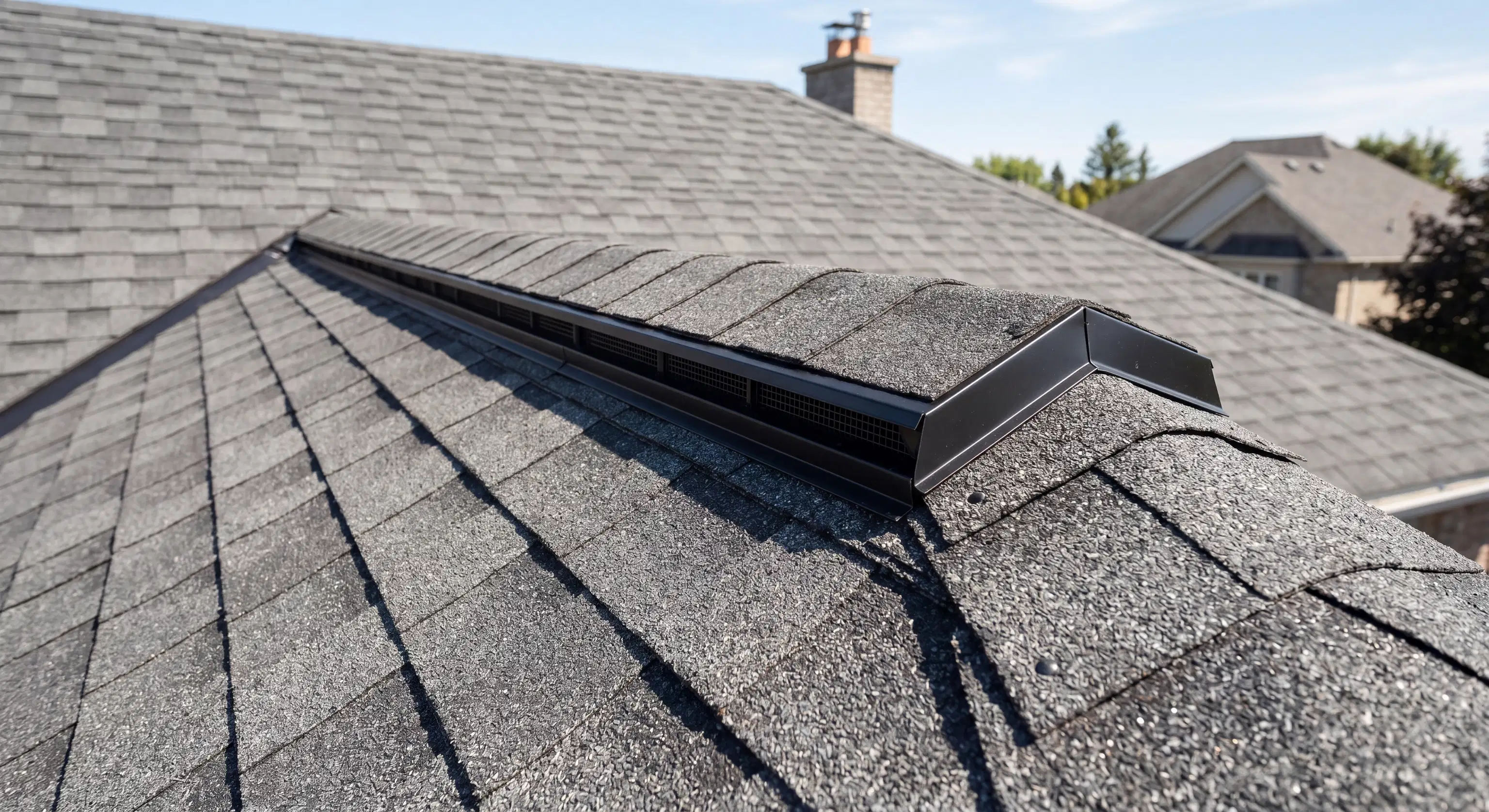
- Exhaust Vents: Positioned at or near the peak of the roof, these vents allow hot, moist air to escape. Common types include ridge vents, gable vents, and turbine vents.
For the system to work, the amount of intake ventilation should be equal to or greater than the amount of exhaust ventilation. This balance creates a natural convection current that continuously circulates air through the space. Simply adding an exhaust vent without proper intake will do little to solve the problem. An expert can calculate the precise amount of ventilation your specific roof needs based on its size and design, ensuring an effective and balanced system is achieved through professional attic venting installation.
Your Partner for a Healthier, More Comfortable Home
Optimizing your attic ventilation is more than just a home improvement project; it's an investment in your comfort, your home's energy efficiency, and the longevity of your entire roofing system. By preventing heat buildup and managing moisture, you protect your home from costly damage and create a more pleasant living environment, especially during the peak of an Ohio summer.
If you're tired of high cooling bills and a stuffy upstairs, it's time to look up. The team at HomeGuard Roofing & Exteriors has the expertise to assess your current system, identify any issues, and recommend the right solutions. We provide comprehensive services, from simple roof repairs to complete ventilation system overhauls.
Ready to improve your home's comfort and efficiency? Contact us today to schedule a professional roof and attic inspection for your home in the greater Columbus area. Let us help you breathe easier this summer.